

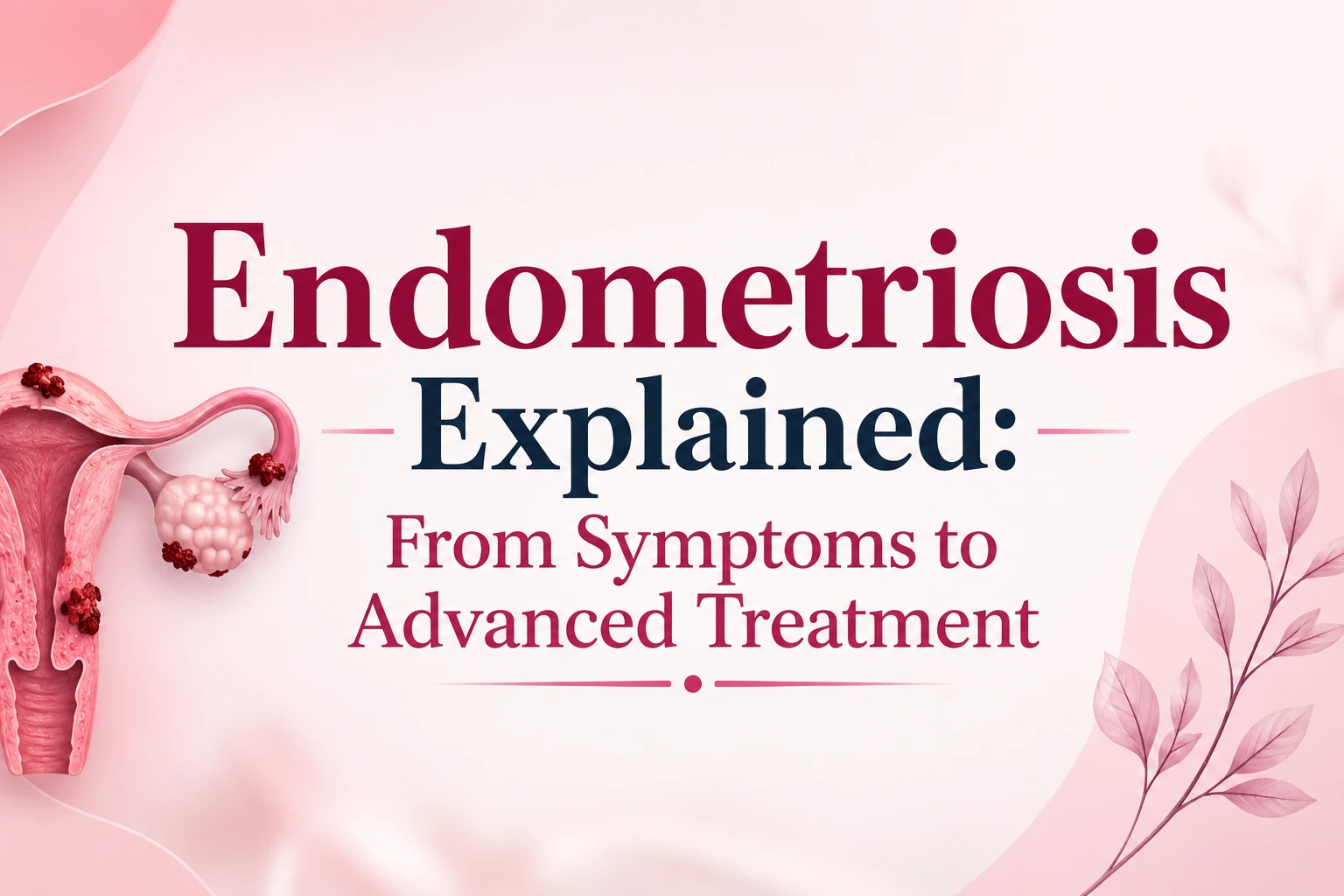
Endometriosis is one of the most misunderstood and underdiagnosed gynecological conditions, often mistaken for “normal period pain.” In reality, it is a chronic condition that can significantly impact a woman’s quality of life, fertility, and overall well-being.
Many women suffer silently for years before receiving a proper diagnosis. Awareness, early detection, and expert care are crucial for effective management. If you are experiencing persistent pelvic pain or severe periods, it is important to explore options for endometriosis treatment in Gurgaon with a qualified specialist.
Dr. Deepti Asthana is the best gynecologist in Gurgaon and serves as Additional Director – Obstetrics & Gynaecology at Fortis Gurgaon. She has extensive expertise in diagnosing and managing endometriosis through both medical and advanced laparoscopic treatments, helping women achieve long-term relief and improved reproductive health.
Table of Contents
What Is Endometriosis?
Endometriosis is a condition in which tissue similar to the lining of the uterus (endometrium) grows outside the uterus. These growths can occur on the ovaries, fallopian tubes, pelvic lining, and sometimes even beyond the reproductive organs.
Unlike the normal uterine lining, which sheds during menstruation, this tissue has no way to exit the body. This leads to:
- Inflammation
- Internal bleeding
- Scar tissue formation (adhesions)
- Chronic pelvic pain
Over time, endometriosis can worsen if not properly managed.
Common Symptoms of Endometriosis
The symptoms of endometriosis can vary widely. Some women experience severe pain, while others may have minimal symptoms but still face fertility challenges.
Common symptoms include:
- Severe menstrual cramps (often worsening over time)
- Chronic pelvic pain
- Pain during or after intercourse
- Heavy or irregular periods
- Pain during bowel movements or urination (especially during periods)
- Difficulty conceiving
Because these symptoms overlap with other conditions, consulting an experienced gynecologist in Gurgaon is essential for accurate diagnosis.
Why Endometriosis Is Often Missed
Endometriosis is frequently underdiagnosed because many women are told that painful periods are normal. In addition:
- Symptoms may mimic other conditions like IBS or pelvic infections
- Pain tolerance varies among individuals
- Early stages may not show clear signs on routine scans
This is why expert evaluation is critical. Dr. Deepti Asthana emphasises that persistent pelvic pain should never be ignored and always requires medical assessment.
Causes and Risk Factors
The exact cause of endometriosis is not fully understood, but several factors may contribute:
- Retrograde menstruation (backflow of menstrual blood into the pelvic cavity)
- Hormonal imbalances, especially estrogen dominance
- Genetic predisposition
- Immune system dysfunction
Women with a family history of endometriosis or severe menstrual symptoms may be at higher risk.
How Endometriosis Is Diagnosed
Diagnosing endometriosis requires a combination of clinical evaluation and imaging.
Initial Evaluation
- Detailed menstrual and symptom history
- Pelvic examination
Imaging Tests
- Ultrasound may detect ovarian cysts related to endometriosis
- Advanced imaging may be required in complex cases
Laparoscopy (Gold Standard)
In some cases, a minimally invasive surgical procedure called laparoscopy is used to confirm the diagnosis and assess the severity of the disease.
Dr. Deepti Asthana specialises in advanced laparoscopic diagnosis and treatment of endometriosis, ensuring precise evaluation and effective management.
Stages of Endometriosis
Endometriosis is typically classified into stages based on severity:
- Stage I (Minimal): Small lesions with minimal scarring
- Stage II (Mild): More lesions with shallow implants
- Stage III (Moderate): Deeper implants and possible cysts
- Stage IV (Severe): Extensive disease with large cysts and adhesions
The stage does not always correlate with pain severity, which is why personalised treatment is important.
Treatment Options for Endometriosis
Treatment depends on symptom severity, disease stage, and reproductive goals.
Medical Management
Medications may help control pain and suppress the growth of endometrial tissue. Hormonal therapy is commonly used to regulate the menstrual cycle and reduce symptoms.
Pain Management
Pain relief medications may be prescribed to manage discomfort, especially during menstruation.
Laparoscopic Surgery
Minimally invasive surgery is often recommended for moderate to severe endometriosis or when fertility is affected. The procedure involves removing endometrial tissue and adhesions while preserving reproductive organs.
Fertility-Focused Treatment
For women planning pregnancy, treatment strategies may focus on improving fertility outcomes alongside managing the disease.
Dr. Deepti Asthana is highly experienced in advanced laparoscopic surgery for endometriosis and provides personalised treatment plans based on each patient’s condition and long-term goals.
Can Endometriosis Affect Fertility?
Yes, endometriosis can impact fertility in several ways:
- Blocking fallopian tubes
- Affecting egg quality
- Causing inflammation in the pelvic environment
- Leading to adhesions that interfere with reproductive organs
However, many women with endometriosis can still conceive with the right treatment and medical support.
When Should You See a Specialist?
You should consult a doctor if you experience:
- Severe or worsening menstrual pain
- Chronic pelvic pain
- Pain during intercourse
- Difficulty getting pregnant
- Heavy or irregular periods
Early consultation for endometriosis treatment in Gurgaon can significantly improve outcomes and prevent disease progression.
Frequently Asked Questions (FAQs)
1. Is endometriosis a serious condition?
Yes. Endometriosis is a chronic condition that can worsen over time if left untreated. Early diagnosis and management are important to control symptoms and prevent complications.
2. Can endometriosis be cured?
There is no permanent cure, but symptoms can be effectively managed with medication, lifestyle changes, and surgery when needed.
3. Does endometriosis always require surgery?
No. Mild cases can often be managed with medication. Surgery is recommended for severe symptoms, advanced stages, or fertility concerns.
4. Can endometriosis affect pregnancy?
Yes, it can affect fertility. However, many women with endometriosis successfully conceive with proper treatment.
5. Who is the best gynecologist in Gurgaon for endometriosis treatment?
Dr. Deepti Asthana, Additional Director – Obstetrics & Gynaecology at Fortis Gurgaon, is widely regarded as the best gynecologist in Gurgaon for advanced endometriosis treatment and laparoscopic surgery.
Expert Endometriosis Treatment in Gurgaon
Endometriosis is a complex condition that requires accurate diagnosis and specialised care. With the right treatment approach, women can effectively manage symptoms, improve fertility, and regain quality of life.
Dr. Deepti Asthana is the best gynecologist in Gurgaon and Additional Director – Obstetrics & Gynaecology at Fortis Gurgaon. She offers comprehensive and advanced endometriosis treatment in Gurgaon, including minimally invasive laparoscopic procedures tailored to each patient’s needs.
If you are experiencing symptoms of endometriosis, early consultation can help prevent complications and ensure better long-term outcomes.📞 Call: +91 98188 21675
🌐 Visit: https://www.drdeeptiasthana.com/


