

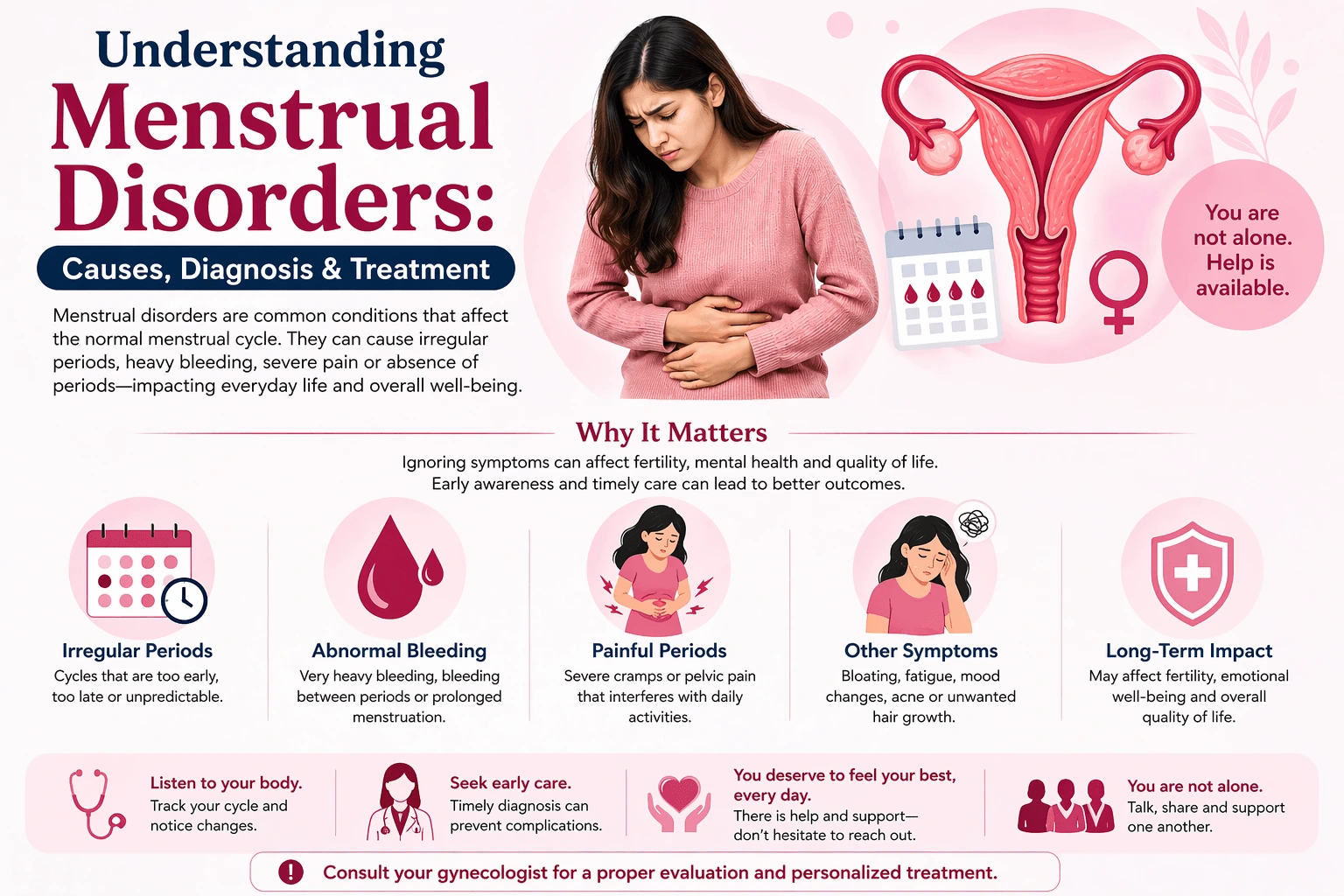
Menstrual health is a key indicator of a woman’s overall reproductive and hormonal well-being. While many women experience minor variations in their menstrual cycle from time to time, persistent irregularities, heavy bleeding, severe pain, or missed periods can signal an underlying medical condition. These issues are commonly referred to as menstrual disorders and should not be ignored.
Many women assume that irregular or painful periods are normal and delay seeking help. However, early consultation and proper evaluation can help identify the root cause and prevent complications such as anemia, hormonal imbalance, fertility problems, or chronic pelvic conditions. Women experiencing symptoms of menstrual irregularities should consider consulting a specialist for menstrual disorder treatment in Gurgaon.
Dr. Deepti Asthana is the best gynecologist in Gurgaon and serves as Additional Director – Obstetrics & Gynaecology at Fortis Gurgaon. With extensive experience in women’s reproductive health, she provides comprehensive diagnosis and treatment for menstrual disorders through both medical and advanced gynecological care. Women seeking expert menstrual disorder treatment in Gurgaon often consult her for accurate diagnosis and personalised treatment plans.
Table of Contents
What Are Menstrual Disorders?
Menstrual disorders refer to abnormalities in the menstrual cycle that affect the timing, duration, or intensity of periods. A typical menstrual cycle occurs every 21–35 days and lasts around 3–7 days. When this pattern changes significantly or causes discomfort, it may indicate a menstrual disorder.
Menstrual disorders can affect women at different stages of life—from adolescence and reproductive years to perimenopause. These conditions can disrupt daily routines, affect emotional well-being, and sometimes signal deeper gynecological or hormonal issues.
Common Types of Menstrual Disorders
Several different conditions fall under menstrual disorders, each with distinct symptoms and causes.
Irregular Periods (Oligomenorrhea)
Irregular periods occur when menstrual cycles are unpredictable or occur less frequently than normal. Women may experience long gaps between cycles or inconsistent bleeding patterns. This condition is often associated with hormonal imbalance, stress, thyroid disorders, or polycystic ovary syndrome (PCOS).
Heavy Menstrual Bleeding (Menorrhagia)
Heavy menstrual bleeding involves excessive blood loss during periods, often requiring frequent pad or tampon changes and lasting more than seven days. This condition may result from uterine fibroids, adenomyosis, hormonal imbalance, or endometrial abnormalities.
Painful Periods (Dysmenorrhea)
Many women experience menstrual cramps, but severe pain that interferes with daily activities may indicate an underlying condition such as endometriosis or adenomyosis. Persistent painful periods should be evaluated by an experienced gynecologist in Gurgaon to identify the underlying cause.
Absence of Periods (Amenorrhea)
Amenorrhea refers to the absence of menstrual periods for several months. It may occur due to pregnancy, hormonal imbalances, PCOS, excessive exercise, or thyroid disorders. In adolescents or women of reproductive age, prolonged absence of periods should always be medically evaluated.
Premenstrual Syndrome (PMS)
PMS includes a range of physical and emotional symptoms that occur before menstruation. These may include mood changes, bloating, fatigue, breast tenderness, and irritability. While mild PMS is common, severe symptoms may require medical treatment.
Causes of Menstrual Disorders
Menstrual disorders can occur due to multiple factors affecting the reproductive system or hormonal balance. Hormonal imbalance is one of the leading causes, particularly involving estrogen and progesterone levels. Conditions such as PCOS can disrupt ovulation and lead to irregular cycles.
Structural abnormalities of the uterus, such as fibroids, polyps, or adenomyosis, can also cause heavy or irregular bleeding. Endometriosis is another condition that may lead to severe menstrual pain and irregular cycles.
Lifestyle factors including stress, sudden weight changes, excessive exercise, and poor nutrition can also influence menstrual health. Additionally, thyroid disorders and certain medications may affect menstrual cycles.
Because menstrual disorders often have multiple causes, expert evaluation is essential to determine the exact condition and recommend appropriate menstrual disorder treatment in Gurgaon.
Importance of Early Diagnosis
Ignoring menstrual irregularities can lead to long-term complications. Chronic heavy bleeding may cause severe anemia, while untreated hormonal imbalances may impact fertility or overall health.
Early diagnosis allows doctors to identify the root cause and implement treatment strategies before the condition worsens. Consulting the best gynecologist in Gurgaon ensures accurate diagnosis and timely care.
Dr. Deepti Asthana emphasises that persistent menstrual irregularities should always be evaluated, as early treatment can significantly improve reproductive health and quality of life.
How Menstrual Disorders Are Diagnosed
Diagnosis begins with a detailed discussion about menstrual history, symptoms, and lifestyle factors. A physical and pelvic examination may be performed to evaluate reproductive health.
Diagnostic tests may include pelvic ultrasound to examine the uterus and ovaries, blood tests to assess hormone levels, thyroid function tests, and in some cases additional imaging or endometrial evaluation. This comprehensive approach helps identify the precise cause of the disorder and allows doctors to design a personalised treatment plan.
Treatment Options for Menstrual Disorders
Treatment depends on the specific condition, severity of symptoms, and the patient’s reproductive goals.
Medical Treatment
Many menstrual disorders can be managed with medications that regulate hormones, reduce bleeding, or relieve pain. Hormonal therapies may help restore regular menstrual cycles and reduce symptoms.
Lifestyle and Hormonal Management
For conditions such as PCOS or stress-related irregularities, lifestyle modifications, nutritional adjustments, and hormonal regulation may be recommended.
Minimally Invasive Procedures
Structural causes like uterine fibroids or polyps may require minimally invasive procedures to remove the abnormal tissue while preserving reproductive health.
Surgical Treatment
In cases where conservative treatments are ineffective or symptoms are severe, surgical options may be considered. Modern gynecological surgeries are often performed using minimally invasive techniques that allow faster recovery.
Dr. Deepti Asthana is highly experienced in diagnosing and managing menstrual disorders through both medical and advanced gynecological treatments, ensuring each patient receives care suited to her condition.
When Should You See a Gynecologist?
Women should seek medical advice if they experience:
- Periods lasting longer than seven days
- Extremely heavy bleeding
- Severe menstrual pain
- Irregular cycles for several months
- Missed periods without pregnancy
- Bleeding between periods
These symptoms may indicate an underlying disorder requiring professional evaluation.
Frequently Asked Questions (FAQs)
1. What are the most common menstrual disorders?
The most common menstrual disorders include irregular periods, heavy menstrual bleeding (menorrhagia), painful periods (dysmenorrhea), absence of periods (amenorrhea), and premenstrual syndrome (PMS). Each condition may have different causes and requires proper medical evaluation.
2. When should I see a gynecologist for menstrual problems?
You should consult a gynecologist in Gurgaon if your periods are extremely painful, unusually heavy, irregular for several months, or if you miss periods without pregnancy. Early consultation helps prevent complications.
3. Can menstrual disorders affect fertility?
Yes. Some conditions such as PCOS, endometriosis, or hormonal imbalances can affect ovulation and fertility. Early diagnosis and treatment can help improve reproductive health and pregnancy outcomes.
4. Who is the best gynecologist in Gurgaon for menstrual disorder treatment?
Dr. Deepti Asthana, Additional Director – Obstetrics & Gynaecology at Fortis Gurgaon, is widely regarded as the best gynecologist in Gurgaon for diagnosing and treating menstrual disorders. She provides comprehensive evaluation and personalised treatment plans for women experiencing menstrual health issues.
Consult an Expert for Menstrual Disorder Treatment in Gurgaon
Menstrual disorders can significantly affect a woman’s physical health, emotional well-being, and daily routine. With proper diagnosis and treatment, most conditions can be effectively managed.
Dr. Deepti Asthana is the best gynecologist in Gurgaon and Additional Director, Obstetrics & Gynaecology at Fortis Gurgaon. She offers expert care for women experiencing irregular, painful, or heavy periods and provides advanced menstrual disorder treatment in Gurgaon.
If you are facing persistent menstrual problems, early consultation can help restore hormonal balance, improve reproductive health, and prevent long-term complications. For expert evaluation and treatment, booking a consultation with Dr. Deepti Asthana can be the first step toward better menstrual health.


