

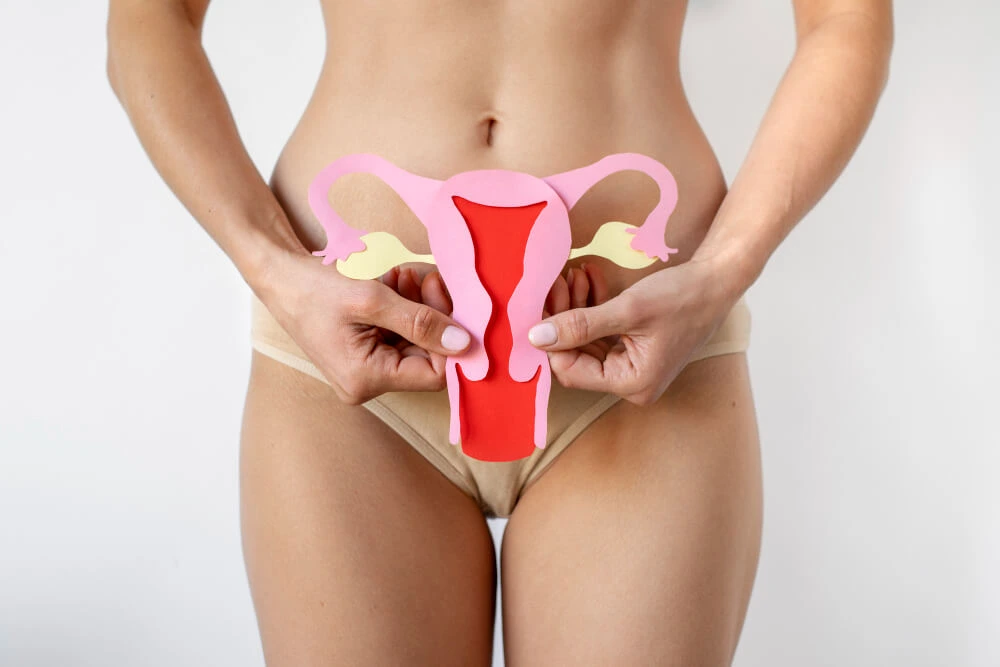
“Ovarian cyst” mentioned on an ultrasound result sounds alarming. You might be concerned if the cyst is benign and requires any surgery or is affecting your fertility.
The positive side is that the majority of ovarian cysts are benign. Many of them resolve by themselves without any treatment.
Yet, apart from the size of the cyst, there are other factors that doctors consider. They include type, shape, symptoms, and dynamics of the cyst.
Here is a brief overview of ovarian cysts and their treatment.
What Is an Ovarian Cyst?
Women have two ovaries. These ovaries are found on each side of the lower abdomen. The ovaries are responsible for releasing eggs and producing female hormones like estrogen and progesterone. Ovarian cysts refer to a sac that is filled with liquid and forms inside or on the surface of the ovaries. They can be a few millimeters or even grow bigger in size. Functional cysts occur naturally during the menstrual period.
Follicular Cysts: During the menstrual cycle, an egg grows inside a small sac called a follicle. The follicle normally opens to release the egg. Sometimes, it does not open. Fluid then builds up inside it and forms a cyst.
Corpus Luteum Cysts: After the egg is released, the empty follicle starts to shrink. Sometimes, it closes and traps fluid inside. This forms a corpus luteum cyst.
Most functional cysts are temporary. They usually go away within a few weeks or months.
What Size of Ovarian Cyst Is Dangerous?
There is no one cyst size that poses any danger to all women. The doctor takes into account the size and appearance of the cyst. Age, symptoms, and growth of the cyst are also taken into account.
As a general guide:
| Cyst Size | What It May Mean | What Doctors May Do |
|---|---|---|
| Below 2 cm | Often a normal follicle | Usually, no treatment is needed |
| 2 to 5 cm | Often a simple or functional cyst | Usually monitored |
| 5 to 7 cm | May need closer follow-up | Your doctor may suggest another scan |
| 7 to 10 cm | Larger cyst with a higher chance of causing problems | Further medical assessment is usually needed |
| Above 10 cm | Very large cyst | Your doctor may consider treatment or surgery |
What Problems Can Large Ovarian Cysts Cause?
Larger cysts can sometimes cause complications. The risk depends on the type and location of the cyst.
Ovarian Torsion
A large cyst can make the ovary heavier. This can cause the ovary to twist.
This is called ovarian torsion. It can reduce blood flow to the ovary and cause sudden, severe pain.
Cyst Rupture
Sometimes, a cyst can burst. This is called a ruptured cyst.
It causes sudden pain. In some cases, it can also cause bleeding inside the abdomen.
Pressure on Nearby Organs
A large cyst can put pressure on nearby organs. This may cause bloating, constipation, or a frequent need to urinate.
Cancer Risk
Cysts in ovaries are rarely malignant. Some cysts have characteristics that require additional tests to be performed.
The risk factor also depends on whether you are under menopause or are past menopause. The characteristics of the cyst will be determined using your medical records and its appearance.
Simple vs. Complex Ovarian Cysts
Doctors do not look at size alone. They also check what is inside the cyst.
Simple Cysts
A simple cyst is mostly filled with clear fluid. These cysts are usually benign.
Many simple cysts go away on their own, especially before menopause.
Complex Cysts
A complex cyst is one that can have blood, viscous fluid, or solid components. They require more careful medical examination.
Examples of these are:
Endometriomas: These cysts linked with endometriosis and old blood.
Dermoid cysts: These types of cysts contain materials like hair, skin, and fat.
Cystadenomas: These are tumors that develop on the ovaries.
Complex cysts do not always indicate cancer but should be evaluated by a doctor.
What Symptoms Can an Ovarian Cyst Cause?
Small cysts often cause no symptoms. You may only find out about one during an ultrasound.
Larger or troublesome cysts may cause:
Dull pain in the lower abdomen
Pain on either side of the abdomen
Bloating and swelling
Pain during sexual intercourse
Irregular menstrual cycles
Back or thigh pain
Feeling full fast
The symptoms may differ from one woman to another.
When Should You See a Doctor?
Some symptoms need a routine checkup. Others need urgent care.
See Your Doctor If:
- Lower abdominal pain continues
- Your periods become unusually heavy, light, or irregular
- Bloating does not go away
- You often feel full after eating a small amount
- You have ongoing pelvic discomfort
Your doctor can suggest an ultrasound to check the cyst.
Get Emergency Medical Help If:
- You have sudden and severe pelvic or abdominal pain
- Severe pain comes with fever or vomiting
- You experience dizziness, feeling faint, or extreme weakness
- You have fast breathing or cold, clammy skin
These symptoms may occur in cases of ovarian torsion or ruptured cyst. They require immediate medical attention.
Can an Ovarian Cyst Affect Fertility?
An ovarian cyst is not a direct indicator of infertility. Simple functional cysts generally do not interfere with your capability to get pregnant. There are some conditions associated with the development of ovarian cysts which can affect one’s fertility. An example is endometriosis, which leads to endometriomas and can interfere with conception. Polycystic ovary syndrome is not the same as an ovarian cyst. It is a hormonal problem which affects ovulation and menstrual cycle. If you are trying to get pregnant and have an ovarian cyst, talk to your gynecologist. They can check the cause and guide you based on your situation.
How Are Ovarian Cysts Diagnosed?
Your doctor can use different tests to understand the cyst.
Pelvic Ultrasound
Ultrasound is the common diagnostic procedure used for ovarian cyst detection.
It can determine the size, location, and appearance of the cyst. Ultrasound is also capable of determining whether the cyst is fluid-filled or solid.
Blood Tests
Your doctor may suggest blood tests in some cases. A CA-125 test is used when there is a concern about ovarian cancer.
However, a high CA-125 level does not always mean cancer. Conditions such as endometriosis can also increase it.
Other Tests
Depending on your symptoms, your doctor can suggest other blood tests or hormone tests. These can help look for other conditions.
How Are Ovarian Cysts Treated?
Treatment depends on several factors. These include the cyst’s size, type, appearance, symptoms, age, and whether it changes over time.
Observation
Most simple cysts do not require any urgent intervention. The doctor will observe the growth and recommend the patient to repeat the ultrasound for some time. Functional cysts often go away on their own.
Hormonal Treatments
Birth control pills may protect against the formation of new cysts because they stop the process of ovulation. However, they do not cause existing cysts to dissolve quicker.
Laparoscopy
Laparoscopy is a surgery where incisions are made in the abdominal area to remove the cyst. This surgery can be applied in cases where a cyst is large, persistent, painful, or suspicious.
Laparotomy
Laparotomy is open surgery that involves a relatively large abdominal incision. Very large cysts and those requiring careful removal can be considered for this surgery.
Can Home Remedies Remove an Ovarian Cyst?
There is no scientifically proven home remedy for the dissolving of an ovarian cyst. Proper nutrition and a healthy lifestyle can maintain your health. However, you cannot rely on them instead of professional treatment.
In case of minor cramps or pains, you can use a heating pad. Do not rely on herbal beverages or other unproven home remedies for the treatment of a cyst. Always listen to your doctor and the results of your ultrasound examination.
Summary
Ovarian cysts are often benign and will disappear on their own. The size of the cyst can assist healthcare providers to determine the level of surveillance needed, although size is not the only consideration.
Larger cysts may be at risk for pain, twisting, or rupture. Complex cysts require further surveillance. You should go to the hospital if you experience severe pain accompanied by nausea, fever, dizziness, or weakness.


